Best Padel Ball Machines 2026
After extensive testing on padel courts worldwide, our team of certified coaches and competitive players has identified the best padel ball machines for every budget and skill level.
Top 3 Padel Ball Machines
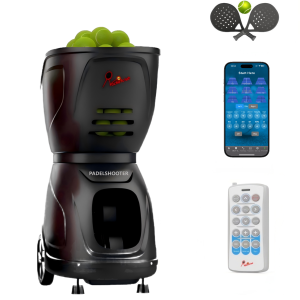
PadelShooter Max
- Powerful and consistent feed delivery
- Strong speed range for aggressive drills
- Great for repetition and conditioning
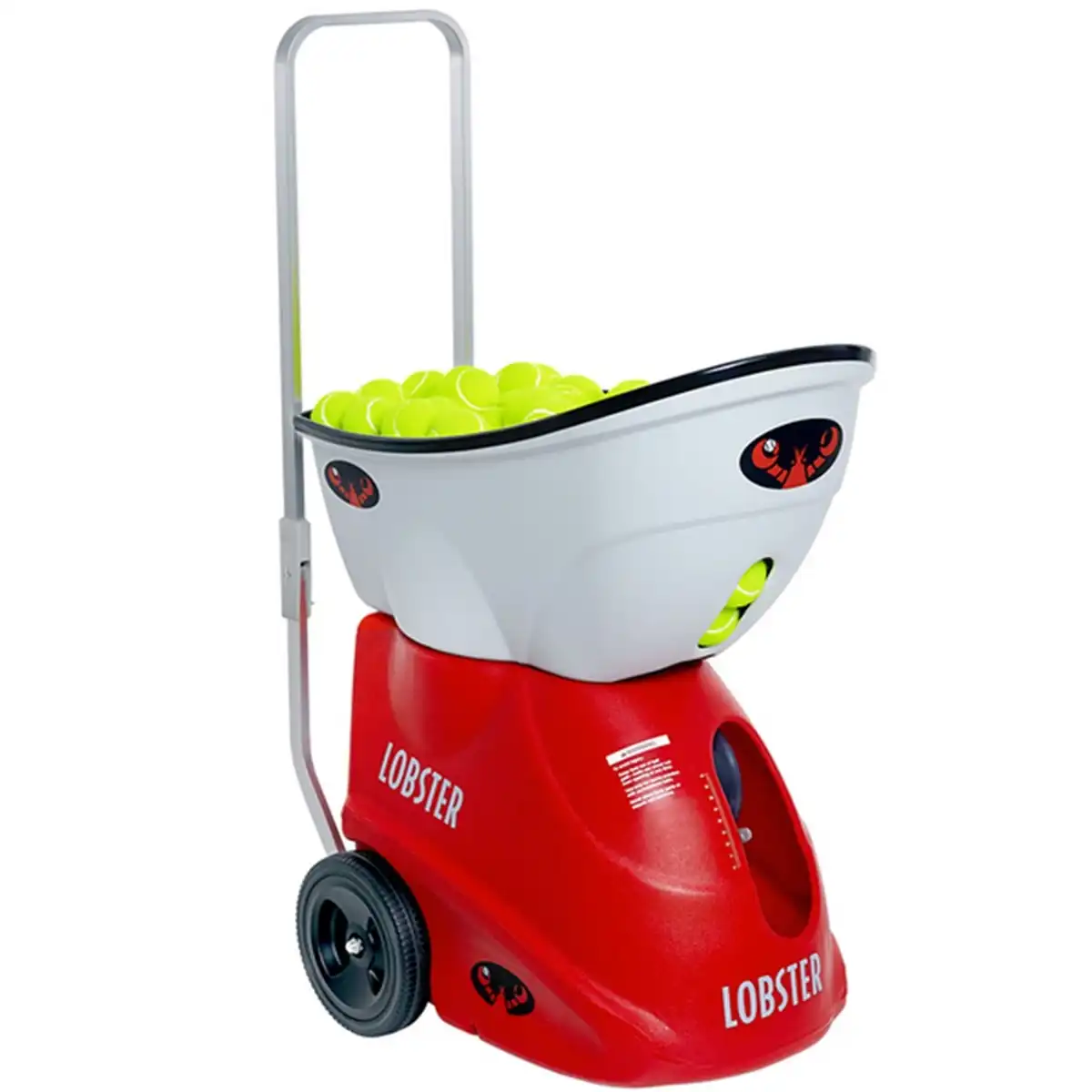
Lobster Padel
- Strong and stable ball delivery
- Expanded oscillation patterns
- Remote control included
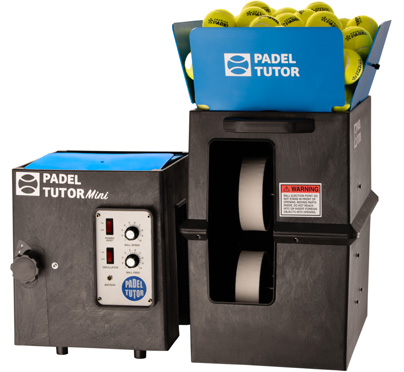
Padel Tutor
- Solid feed consistency
- Lightweight and portable
- Simple controls
Looking for Budget Options?
Check out our top picks for affordable machines under $1,500 that deliver great value.
Padel Ball Machine Comparison
How the top padel machines stack up
| Machine | Our Rating | Price | Ball Capacity | Speed Range | Spin | Oscillation | App Control | Power | Weight |
|---|---|---|---|---|---|---|---|---|---|
| PadelShooter Max | 9.3 | $2,275 | 100 | Up to 75 mph | Topspin, Backspin, Flat | Horizontal, Vertical | No (Remote) | Battery | 48 lbs |
| Lobster Padel | 8.7 | $1,429 | 150 | 10-70 mph | Topspin, Backspin | Horizontal, Vertical, Random | No (Remote) | Battery | 44 lbs |
| Padel Tutor | 8.5 | $1,545 | 100 | Up to 60 mph | Topspin, Backspin | Horizontal | No (Remote) | Battery | 36 lbs |
In-Depth Look at Each Machine
What our testing revealed on the padel court
PadelShooter Max — Editor's Choice (9.3/10)
The PadelShooter Max earned our top spot for padel through a combination of power, consistency, and versatility that none of the competitors matched. With speeds up to 75 mph, it's the fastest padel-specific machine we tested, and that matters for practicing against hard drives and bajadas (overhead smashes that are unique to padel).
Feed consistency was excellent across all speed ranges, from soft lobs to full-power drives. The dual-axis oscillation (horizontal and vertical) creates varied shot patterns that force you to read the ball and move laterally, simulating actual point play better than single-axis machines. The included remote control handles all adjustments courtside.
Build quality is robust. The machine feels solid and well-constructed, and the battery delivered consistent performance across 3 to 5 hour sessions in our testing. At 48 lbs it's on the heavier side, but the built-in wheels make court-to-storage transport manageable. At $2,275, it's a serious investment, but for players or clubs committed to padel training, the performance justifies the price.
Lobster Padel — Best Value (8.7/10)
Lobster brings its decades of ball machine experience to the padel market, and the result is a machine that punches above its price point. At $1,429, the Lobster Padel is the most affordable machine in our top three, and it delivers the features that matter most: reliable feeds, good spin, and triple oscillation (horizontal, vertical, and random).
The 150-ball capacity is the largest in our padel lineup, which means significantly longer practice sessions before you need to reload. Speed range of 10 to 70 mph covers everything from soft lob feeds to fast drives. The random oscillation mode is particularly useful for padel, where unpredictable shot placement forces you to practice the quick lateral movement and wall positioning that the sport demands.
The trade-off compared to the PadelShooter Max is slightly less raw power and a less refined overall feel. But for most recreational and intermediate padel players, the Lobster Padel delivers everything you need at a price that's $800 less than the competition. It's our top recommendation for players entering the padel machine market for the first time.
Padel Tutor (8.5/10)
The Padel Tutor's main selling point is portability. At 36 lbs, it's the lightest padel machine we tested, and that weight advantage shows up every time you load it into your car or wheel it across a facility. For players who don't have a permanent court setup, this practical advantage shouldn't be underestimated.
Feed consistency was solid in our testing, with reliable ball placement across extended sessions. Speed tops out around 60 mph, which is lower than the other machines on this list but sufficient for most training scenarios outside of high-speed drive practice. The horizontal oscillation provides decent court coverage, though it lacks the vertical variation that the PadelShooter Max and Lobster offer.
At $1,545, the Padel Tutor sits right between the Lobster and PadelShooter in price. Its value proposition is clear: if portability is your top priority and you don't need maximum speed or dual-axis oscillation, the Tutor is a well-built, reliable machine that's easy to live with day to day.
How We Select and Test Padel Ball Machines
Our review process centers on hands-on testing with real players on padel courts. We evaluate each machine based on four key factors: ball trajectory accuracy, wall-play simulation, speed range, and ease of use.
We do not accept affiliate commissions from manufacturers. All machines we test are commercially available and actively shipping. We do not include concept models, prototypes, or crowdfunding-only products like those on Kickstarter.
What to Look for in a Padel Ball Machine
When choosing a padel ball machine, consider these key factors:
- Court Compatibility: Designed for enclosed padel courts
- Trajectory Options: Lobs, drives, and wall-play simulations
- Speed Range: Variable speeds for different shot types
- Ball Capacity: Larger hoppers for extended practice
- Portability: Easy movement around the court
- Remote Control: App or remote for drill customization
Padel Ball Machine Buying Guide
Key considerations for the fastest-growing racquet sport
Why Padel Needs Specialized Machines
Padel is played on a smaller, enclosed court with glass and mesh walls that are actively part of the game. This creates unique training requirements that tennis and pickleball machines simply cannot address. Padel balls have lower pressure than tennis balls, and the sport's shot variety (bandeja, vibora, bajada, chiquita) demands specific trajectory and speed capabilities. Always choose a machine designed and calibrated for padel balls and padel court dimensions.
Wall Play: The Padel Difference
The walls make padel unique, and they should influence your machine choice. A good padel machine can feed balls that drive into the back glass, forcing you to practice reading bounces off the wall and hitting off the glass return. Machines with adjustable elevation and strong lob capability let you simulate the high balls that drop near the back wall, one of the most common and important shots in padel. When testing machines, we specifically evaluate how well they can create these wall-play scenarios.
Padel Court Access and Setup
Unlike tennis, padel courts are enclosed structures that may have limited entry points and no nearby power outlets. This makes battery life and portability especially important considerations. Make sure you can physically get the machine through the court entrance (some padel court doors are narrow), and confirm that the machine's battery life covers your typical practice duration. If your facility has power access courtside, a machine with an AC adapter option gives you unlimited session length.
Club vs. Personal Use
If you're buying for a padel club, prioritize durability, ball capacity, and ease of use by multiple players. The PadelShooter Max and Lobster Padel are both strong club choices. If you're buying for personal use and transporting the machine regularly, weight and portability become critical factors, making the Padel Tutor worth serious consideration. For clubs, also consider how intuitive the controls are for different users, since a machine that requires a 10-minute orientation for every new player will get less use.
Padel Ball Machine FAQ
Common questions about padel ball machines